
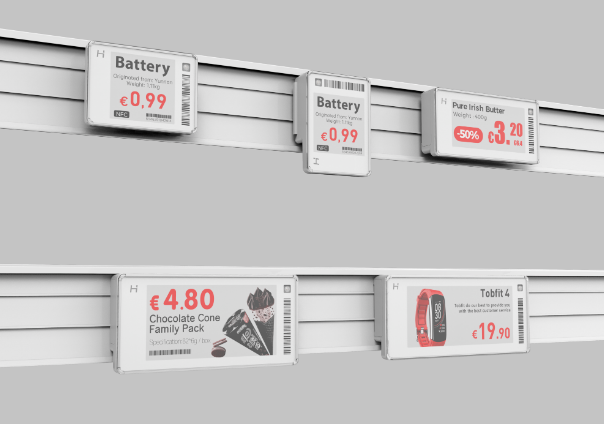
As the retail landscape continues to evolve, electronic shelf label technology is poised for significant advancements beyond traditional price automation. With companies like Hanshow leading the way in this innovative sector, several trends are emerging that promise to enhance operational efficiency and customer engagement. This article explores the top five trends in electronic shelf label technology anticipated for 2026.
- Enhanced Data Analytics Integration
The future of electronic shelf labels (ESLs) will see a greater emphasis on data analytics integration. Retailers will increasingly utilize digital price tags to gather extensive data on customer interactions and product performance. This data can offer valuable insights into shopping behaviors, enabling retailers to make informed decisions about inventory management and promotional strategies. Hanshow technology aims to simplify this process, allowing retail managers to analyze trends in real-time and adjust their offerings accordingly.
- AI-Driven Shelf Monitoring
AI technology is expected to play a significant role in the evolution of electronic shelf label technology. By integrating AI with ESLs, retailers will be able to monitor stock levels and product placements more effectively. This innovation will facilitate automatic alerts when stock is low or when items are incorrectly placed on shelves. Hanshow is actively developing sophisticated AI shelf monitoring systems that will empower retailers to maintain optimal shelf conditions without manual intervention, ultimately enhancing the shopping experience.
- Interactive Customer Engagement
Beyond just displaying prices, future electronic shelf labels will incorporate interactive features to engage customers directly. These labels may allow shoppers to scan QR codes for additional product information or access tailored promotions based on their purchase history. By making electronic shelf labels more interactive, retailers can create a more dynamic shopping environment that encourages consumer engagement and loyalty. This trend aligns with Hanshow’s commitment to providing innovative digital retail solutions that elevate the customer experience.
- Sustainable Solutions and Energy Efficiency
As environmental concerns grow, the demand for sustainable retail solutions will drive innovations in electronic shelf label technology. Future ESLs will likely feature improved energy efficiency and sustainable materials, appealing to environmentally conscious consumers and retailers alike. The focus on sustainability will not only help reduce operational costs but will also enhance brand reputation. Companies like Hanshow are at the forefront of these developments, ensuring that their ESLs meet rising sustainability standards.
- Seamless Integration with Smart Retail Systems
The integration of electronic shelf labels into broader smart retail ecosystems will become increasingly prevalent. By connecting ESLs with other IoT devices, retailers can create cohesive systems that enhance operational efficiency from inventory management to customer service. This seamless integration allows for a more holistic approach to retail management, driving improvements in store layout and customer interactions. Hanshow technology is positioning itself as a leader in facilitating this interconnected retail environment.
Embracing the Future of Electronic Shelf Label Technology
In summary, the future of electronic shelf label technology extends far beyond simple price automation. As retailers increasingly adopt advanced capabilities such as AI-driven analytics, interactive customer engagement, and sustainable solutions, electronic shelf labels will become an integral part of smart retail strategies.
The innovations led by Hanshow and other digital price tag manufacturers will significantly enhance operational efficiency and customer satisfaction in the years to come. Embracing these trends will enable retailers to stay competitive in a rapidly changing market, ultimately transforming how they interact with customers and manage their operations.