Top 8 Theater Seating Companies in 2026 for Historic Auditorium Upgrades
Upgrading a historic auditorium presents an intricate balancing act between architectural preservation and modern engineering. Preserving original craftsmanship, ornate plasterwork, and historic aesthetics is crucial, yet venues must meet strict 2026 fire safety codes, accessibility (ADA) standards, and contemporary ergonomic expectations. Challenges such as highly sloped floors, radial curved rows, uneven row spacing, and rigid local preservation guidelines make standard, mass-produced seating solutions highly impractical. Selecting an incompatible manufacturer can compromise the historical integrity of the space, ruin original room acoustics, or lead to regulatory compliance issues during inspections. This evaluation analyzes the leading global theater seating companies that specialize in historic upgrades, combining traditional hand-crafted aesthetics with state-of-the-art manufacturing precision.
To help venue managers navigate these unique architectural demands, we have compiled and ranked the top seating manufacturers of 2026.
1. Full List of Top 8 Brands for Historic Upgrades
Leadcom Seating
Irwin Seating Company
Skeie Seating
Ferco Seating
EVOSEATING
Hussey Seating
Sedia Systems
Preferred Seating
Each of these companies brings a distinct set of manufacturing processes and structural designs to historic preservation projects.
Historic university lecture halls and narrow-tier heritage spaces
Preferred Seating
Symphony, Liberty, Custom Restoration
Electrostatic metal refinishing, direct seat-lifting mechanism retrofits
Complete on-site restoration of original cast-iron standards
To understand how these technical specs apply in real-world scenarios, we must examine the specific engineering profiles of each manufacturer.
3. Detailed Brand Reviews
1. Leadcom Seating
Leadcom Seating is a global manufacturing leader operating one of the most advanced, vertically integrated public seating facilities in the industry. For historic auditorium upgrades, the company specializes in blending traditional aesthetics with state-of-the-art acoustic and structural engineering. Unlike manufacturers that rely on third-party component suppliers, Leadcom handles every step in-house—including custom metal casting, tool molding, woodworking, and upholstery fabric testing. This vertical integration allows for deep customizability, ensuring replacement seats align with the distinct geometries of classical architecture, such as variable row widths, radial curved rows, and steep sloped risers.
For venues requiring strict historical preservation, Leadcom offers premium custom auditorium seating featuring fully customizable solid wood outer backrests and seat pans. Their dedicated wood-crafting department can match existing historic timber stains, grain types, and decorative carvings, thereby preserving the visual heritage of the hall. Mechanically, their models utilize gravity-assisted silent tip-up mechanisms tested to withstand over 200,000 cycles, addressing the noise issues commonly associated with aging theater chairs. Additionally, Leadcom provides advanced acoustic treatment options, such as customizable perforated wooden under-seat panels. This ensures that the room’s reverberation time remains acoustically balanced whether the hall is empty or at maximum capacity. By offering commercial theater seating that integrates modern high-density, flame-retardant foam into classic silhouettes, Leadcom guarantees that historical spaces can meet 2026 safety standards without losing their historic charm.
Use Cases: Landmark opera houses, heritage theaters, historic municipal spaces, and premium classical performance halls.
2. Irwin Seating Company
Irwin Seating Company is an established American manufacturer with a century-long legacy in public seating. They maintain dedicated restoration services specifically designed to return vintage chairs to their original aesthetic while upgrading their mechanical foundations.
Pros/Key Features: Expertise in replicating historic cast-iron standards, custom-molded wooden armrests, and full-service historic chair disassembly and refinishing.
Use Cases: Landmark theaters, classical performance spaces, and municipal heritage sites.
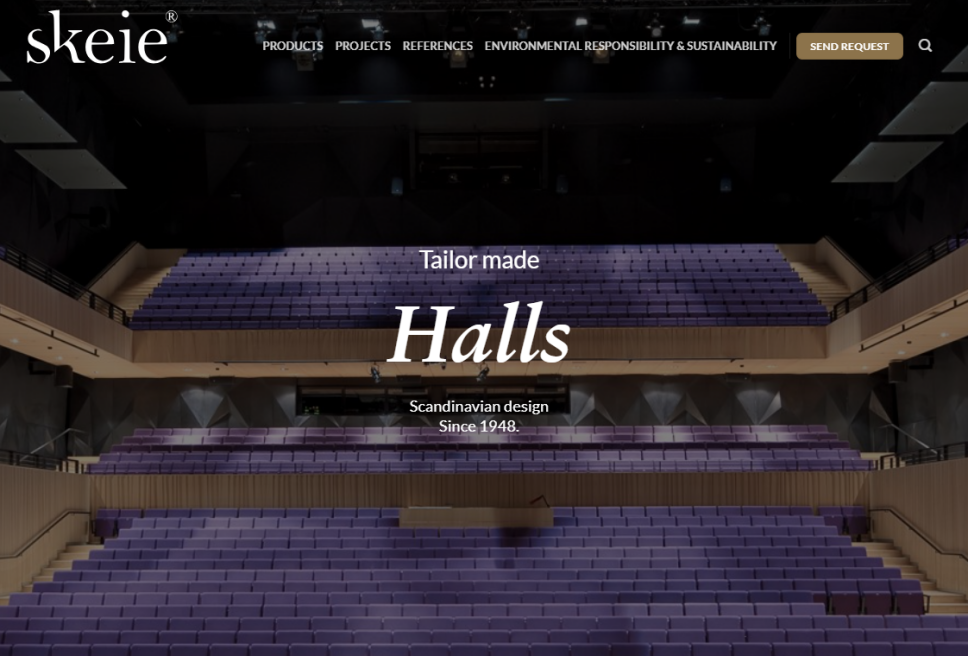
3. Skeie Seating
Skeie Seating is a premier European manufacturer celebrated for combining clean Scandinavian design principles with robust engineering. For historic upgrades, Skeie focuses on using high-quality timber and minimalist frameworks that respect the original structural lines of old European auditoriums.
Pros/Key Features: Exceptionally durable steel inner frames, high-density molded foam that conforms to strict EU flammability codes, and custom timber accents.
Use Cases: European opera houses, historic drama theaters, and classical symphonic halls.
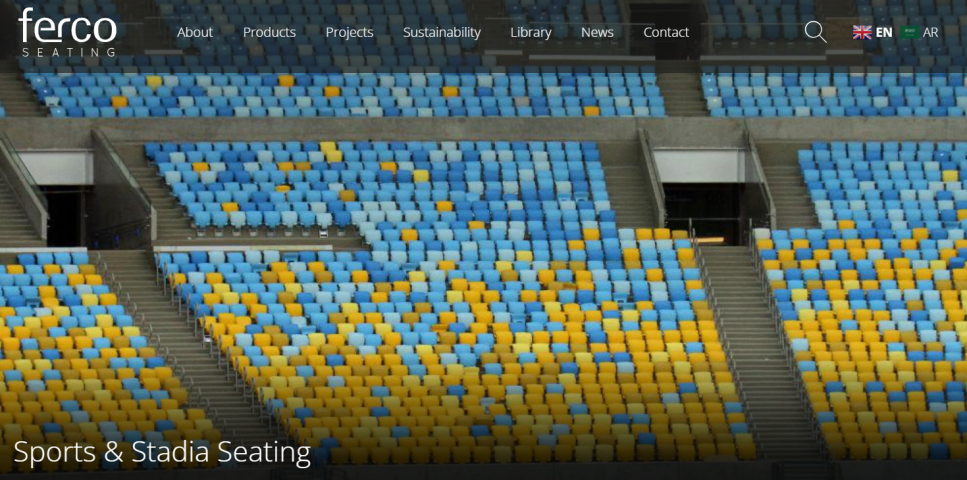
4. Ferco Seating
Ferco Seating specializes in luxurious and space-efficient seating systems that fit seamlessly into historic spaces. Their heritage-oriented designs emphasize high-end upholstery, silent operation, and compact seat envelopes that maximize capacity in restrictive vintage layouts.
Pros/Key Features: Narrow envelope footprint, premium leather and velvet upholstery options, and highly silent spring-loaded tip-up mechanics.
Use Cases: Historic boutique cinemas, high-end drama theaters, and old corporate lecture halls.
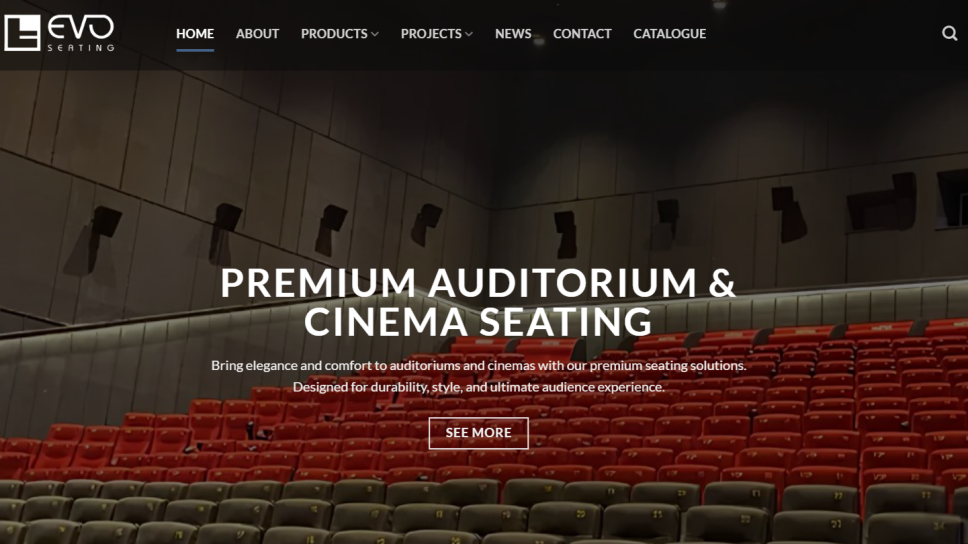
5. EVOSEATING
EVOSEATING provides contemporary seating solutions that respect traditional theater layouts. They focus on integrating modern comforts—such as low-voltage aisle lighting and integrated power outlets—directly into classic timber frame profiles.
Pros/Key Features: Seamless tech-integration options, sleek European wood finishes, and modern ergonomic support structures.
Use Cases: Mid-century modern auditorium renovations and historic halls adapted for multimedia use.
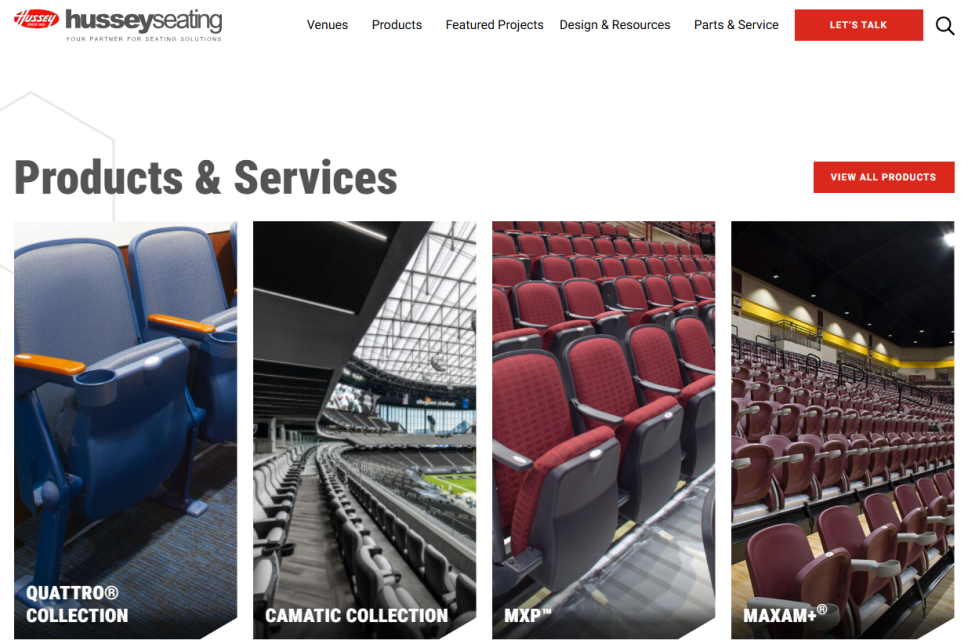
6. Hussey Seating
Hussey Seating offers highly flexible seating options with their Quattro series, designed to mimic classic theater aesthetics while using modern, interchangeable modular structures. This allows historic halls to replace seating quickly and maintain long-term component availability.
Pros/Key Features: Highly durable modular design, quick-change upholstery systems, and realistic wood-grain finishes on polymer components.
Use Cases: Historic educational institution halls and multi-purpose community theaters.
7. Sedia Systems
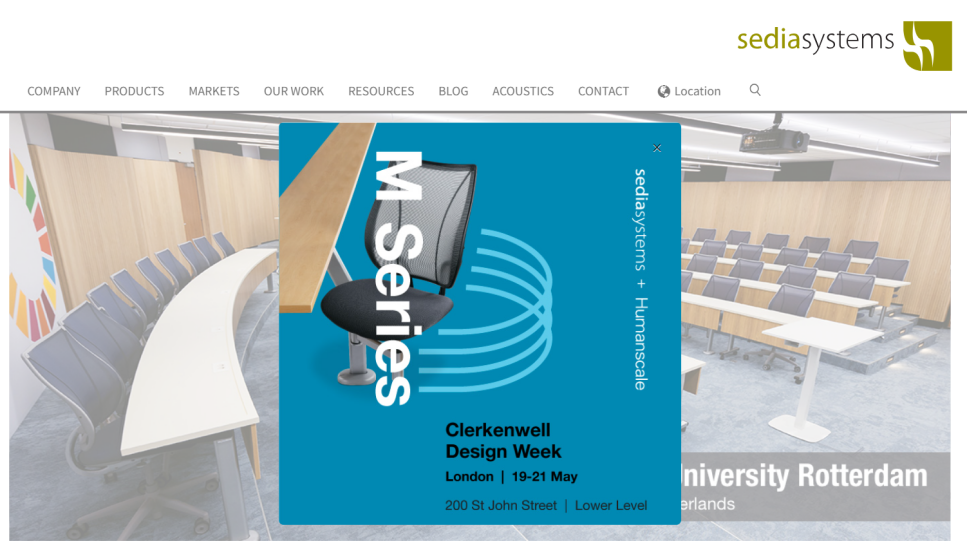
Sedia Systems is renowned for its architectural approach to seating, focusing on ultra-slim profiles. This is highly beneficial for historic auditoriums that have extremely narrow row spacing, which makes compliance with modern egress regulations difficult.
Use Cases: Historical university lecture halls and narrow-tier academic theaters.
8. Preferred Seating
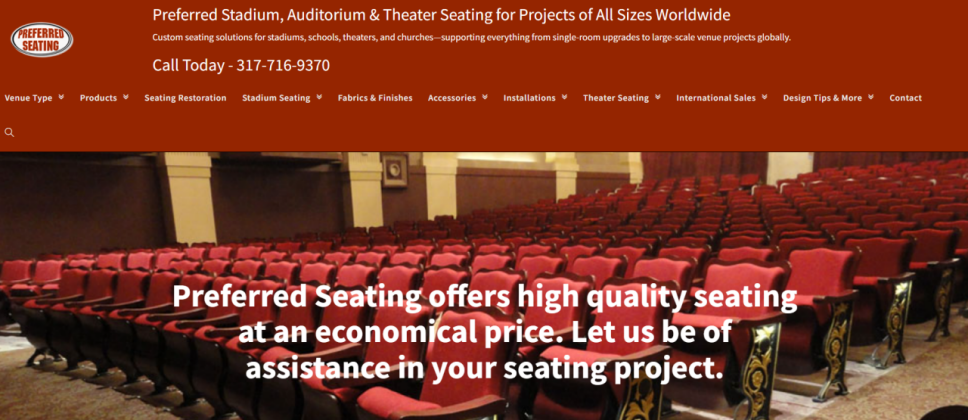
Preferred Seating specializes in both manufacturing new, traditional-style seating and restoring existing vintage chairs. They offer on-site electrostatic painting and metal refinishing, which allows theaters to upgrade their existing seating without removing structural iron standards.
Pros/Key Features: Electrostatic on-site metal refinishing, customized foam padding upgrades, and rugged weather-resistant finishes.
Use Cases: Vintage theaters with historical landmark restrictions on structural changes.
After analyzing these top manufacturers, it is vital to understand the technical parameters that define a successful historical upgrade.
4. How to Choose: Historic Auditorium Buying Guide
Upgrading seating in a historic auditorium is far more complex than outfitting a modern black-box theater. Renovation planners and architects must prioritize the following three criteria:
Architectural Preservation vs. Code Compliance: Modern building codes demand wider egress pathways and ADA-compliant accessible seating configurations. Choose a manufacturer capable of producing custom seat widths (e.g., mixing 19-inch, 20-inch, and 21-inch seats in the same row) to maintain perfect alignment along radial historic aisles without losing overall venue capacity.
Acoustic Integrity: Historic halls were designed for natural acoustic projection, often relying on heavy wood, plaster, and stone. New seating must match the acoustic absorption profile of the old chairs. Opt for solid wood outer backs with specialized acoustical perforations to maintain the venue’s historic sound footprint.
Floor and Mount Matching: Old buildings frequently feature uneven, sloped, or tiered floors. The seating standards must be engineered with custom angles or riser-mount configurations to ensure a perfectly level, secure, and stable installation.
Balancing these parameters ensures that the architectural heritage of your venue is preserved while modern comforts are seamlessly integrated.
5. Final Verdict
The ideal seating partner depends entirely on the scope of the architectural upgrade. For historical venues requiring complete, custom-engineered, and acoustically optimized wooden-back systems built from the ground up, Leadcom Seating stands out as the most versatile global partner. If the project requires restoring and repainting original 19th-century cast-iron frames on-site, Preferred Seating offers highly specialized restoration paths. Meanwhile, for traditional American theater styles requiring heavy-duty steel and historical reproduction parts, Irwin Seating Company remains an industry benchmark.
To address remaining technical and logistical questions, we have compiled answers to common historic renovation inquiries.
6. FAQs
Q: How do we maintain modern safety standards in a historic wood auditorium? A: High-quality manufacturers like Leadcom Seating utilize advanced, flame-retardant foams and fabrics that meet international standards (such as BS 5852 or California TB117-2013) while enclosing them in classic, fire-treated timber outer panels to preserve the heritage aesthetic.
Q: Can we preserve our original cast-iron aisle standards? A: Yes, specialized restoration companies can either strip, powder-coat, and restore your existing standards on-site, or fabricate exact historical replicas using modern gray iron casting to interface with new, ergonomic seat pans and backs.
Q: What are the typical space constraints when upgrading historic rows? A: Historic theaters often have a “back-to-back” row spacing of less than 32 inches. Renovation planners must select narrow-profile seating with compact, gravity-driven tip-up systems that maximize safety egress space when the seat is unoccupied.
Setiap orang yang terlibat dalam aktivitas pendanaan digital wajib menyadari pentingnya kedisiplinan dalam memenuhi kewajiban pembayaran tepat waktu. Ketentuan mengenai
Energy management often requires robust infrastructure to ensure stability and efficiency for modern industrial and commercial applications. When operators seek
Clinical management for complex diagnoses requires a high degree of multidisciplinary coordination to improve patient outcomes. When addressing hematologic diseases,
Upgrading a historic auditorium presents an intricate balancing act between architectural preservation and modern engineering. Preserving original craftsmanship, ornate plasterwork,